Commuting by bike
The commute is the ride that changes things. It replaces a journey you already make, so it costs almost no extra time — and it is the reason most people who cycle regularly started at all.
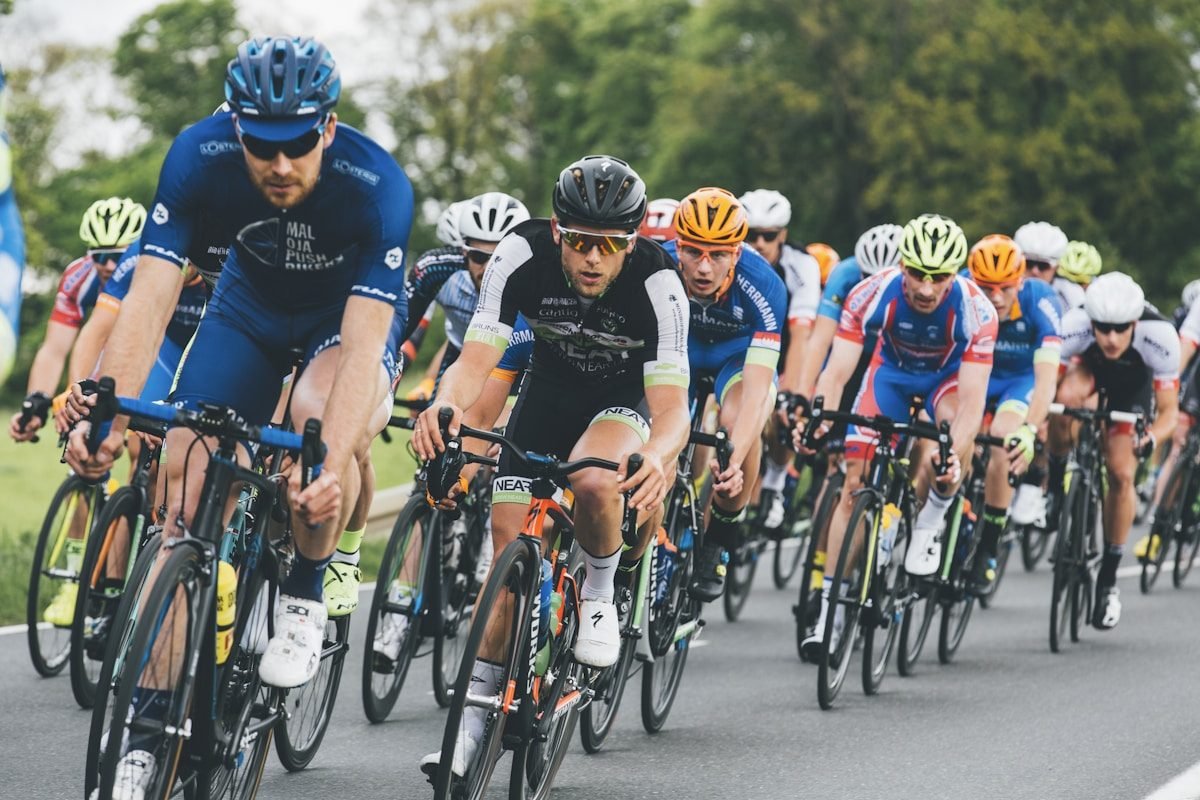
Commuting by bike is the highest-value cycling there is. It uses time you were already spending travelling, it is repeatable enough to build real fitness, and after the initial outlay it is close to free.
It also has the most friction at the start. Route anxiety, sweat, weather, luggage and parking are all solvable, but nobody tells you how, so people try once, have a bad experience, and stop.
Start with the route, not the bike
The most common mistake is riding the route a car would take. The fastest driving line is usually the worst cycling line — fast, wide, and busy.
- Use a cycling-specific route planner rather than default driving directions
- Accept a longer distance for a quieter road; five extra minutes is worth it
- Ride the route once on a Sunday morning before you do it on a Monday
- Look for parallel residential streets one block off the main road
- Note where you will need to turn right across traffic and plan for it
Do a dry run. Riding your route once at a quiet time removes almost all first-day anxiety. You will discover the confusing junction, the surprise hill and the closed path with no consequences.
Dealing with sweat
This is the objection that stops most people, and the answer is simpler than expected: ride slower. Commuting is not training. At a pace where you can hold a conversation, most people can ride 8–10km without needing a shower.
- Set off five minutes earlier and ride noticeably easier than feels natural
- Dress for about five minutes into the ride, not for standing still
- Unzip and vent early — before you overheat, not after
- Keep a towel and deodorant at work; a wash at a sink covers most days
- If there is one hill, walk it or fit an easier gear rather than sprinting it
Carrying things
A backpack is the obvious answer and the worst one. Weight on your back means a sweaty back, sore shoulders and a higher centre of gravity.
| Option | Best for | Trade-off |
|---|---|---|
| Rear rack and pannier | Almost everyone | Needs rack mounts; slight faff to remove |
| Backpack | Short trips, light loads | Sweaty back, weight on shoulders |
| Basket | Casual, upright bikes | Only for light, dry items |
| Bikepacking-style bags | Bikes without mounts | Smaller capacity, costlier |
| Rack-top bag | Laptop plus lunch | Less capacity than panniers |
If your bike takes a rack, fit one. A single pannier carries a laptop, lunch and a change of clothes, and the weight sits on the bike rather than on you.
Weather
You need far less kit than the shops suggest. A genuinely waterproof jacket, something to keep your hands warm, and mudguards will cover the great majority of days.
- Mudguards matter more than a jacket — most of the wet on a commute comes off the road, not the sky
- A packable waterproof lives in the pannier permanently and costs you nothing to carry
- Waterproof trousers over normal clothes beat changing entirely
- Cold hands ruin a ride faster than a cold body — good gloves are the best value winter purchase
- Overshoes or simply a plastic bag over each sock will get you home dry-footed
Parking and theft
Where you leave the bike matters as much as the lock. A cheap bike locked well in a visible, busy place is safer than an expensive one locked badly out of sight.
- Spend roughly 10% of the bike value on the lock, and use two different lock types if you can
- Lock the frame to the stand, not just a wheel — and get the rear wheel inside the lock if possible
- Fill the lock: less space inside means less room for a tool
- Park somewhere overlooked and busy rather than a quiet corner
- Photograph the bike and record the frame number now, not after it is stolen
- Take lights, pump and bags with you
Three things that keep people riding
Start with two days
Committing to every day makes one bad morning feel like failure. Two fixed days a week builds the habit without the pressure.
Decide the night before
Check the forecast, pack the pannier and put the bike by the door. Most skipped commutes are lost to morning friction, not weather.
Learn one repair
Being able to fix a puncture removes the fear of being stranded, which is the quiet reason many people stop commuting.
Common commuting questions
Most people settle around 5–15km each way. Beyond that it needs real commitment, though an e-bike moves the comfortable limit a long way out.
Ride slower, arrive earlier, and wash at a sink. Most people who commute by bike do not have a shower and manage fine.
A reasonable strategy, but a bike you dislike riding is a bike you stop riding. Better to buy something decent and lock it properly.
With proper lights and sensible road positioning, yes — many people do it for months at a time. See the skills and safety guide for lighting and visibility.
Fit an easier gear. Most bikes can take a wider-range cassette cheaply, and it transforms a hilly commute. Failing that, walking a hill is allowed.
Need a bike for the commute?
The buying guide covers which type suits commuting and what to check before you pay.