Riding a bike in Morocco.
Practical cycling guides written from the road around Fes and Meknes – the heat, the dust, the dogs, the shops, and the long climb into the Middle Atlas.
Guides you will not find elsewhere
Anyone can tell you how a derailleur works. These are about riding in this country specifically.
Choosing a bike
The five main types of bike explained, how to get the frame size right, and exactly what to inspect before you commit to a second-hand one.
Fixing & maintenance
Step-by-step punctures, brake and gear adjustment, the M-check, and a maintenance schedule that keeps small problems from becoming expensive ones.
Skills & safety
Road positioning, junctions, riding in traffic, and how to stay visible after dark — the things that actually keep you safe on a bike.
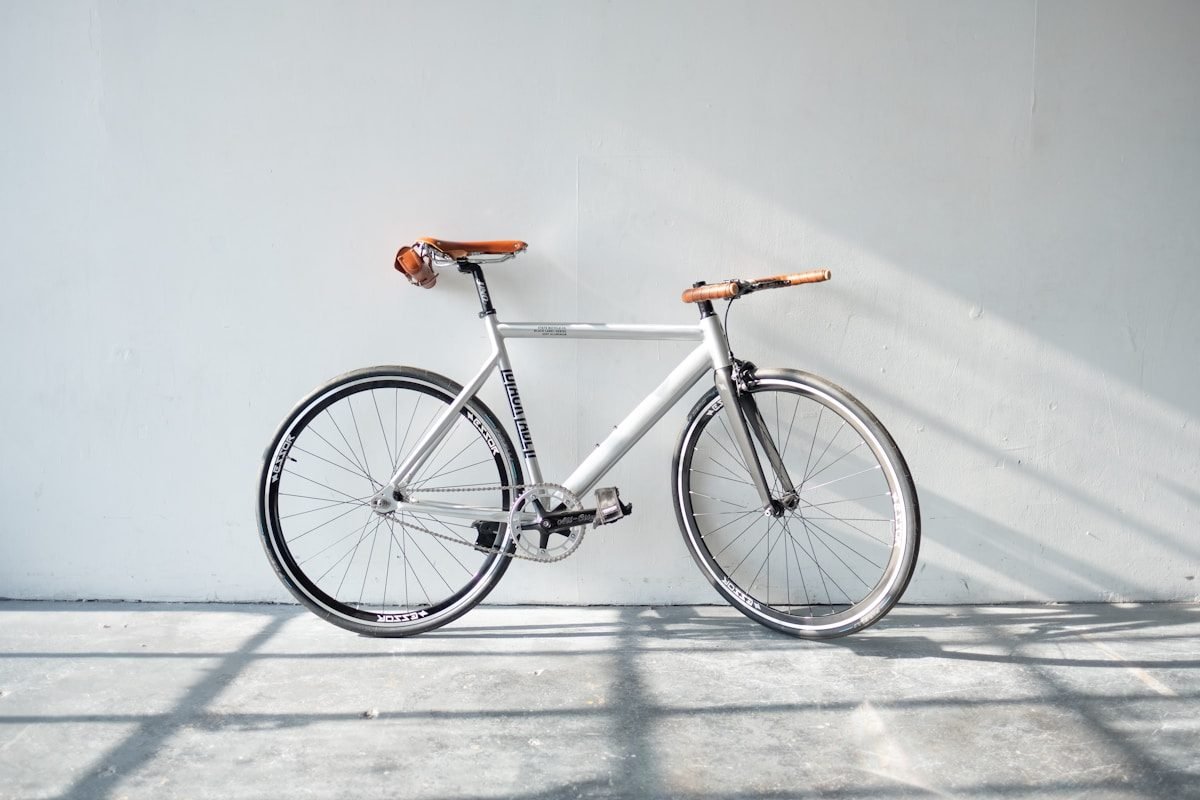
Nobody is born knowing how a derailleur works
Cycling has an unusually steep vocabulary problem. Walk into a bike shop and you’ll hear about groupsets, bottom brackets, tyre casings and gear ratios inside the first minute — and it’s easy to leave feeling like the answer was deliberately kept from you.
It wasn’t. All of it is learnable, and most of it matters far less than the industry implies. What actually matters is that the bike fits you, that the brakes work, and that you enjoy riding it enough to keep going.
- No sponsored recommendations and no affiliate links
- Every guide written to be followed, not skimmed
- Plain English, with the jargon explained the first time it appears
Good places to begin
Short, practical answers to the questions that come up again and again.
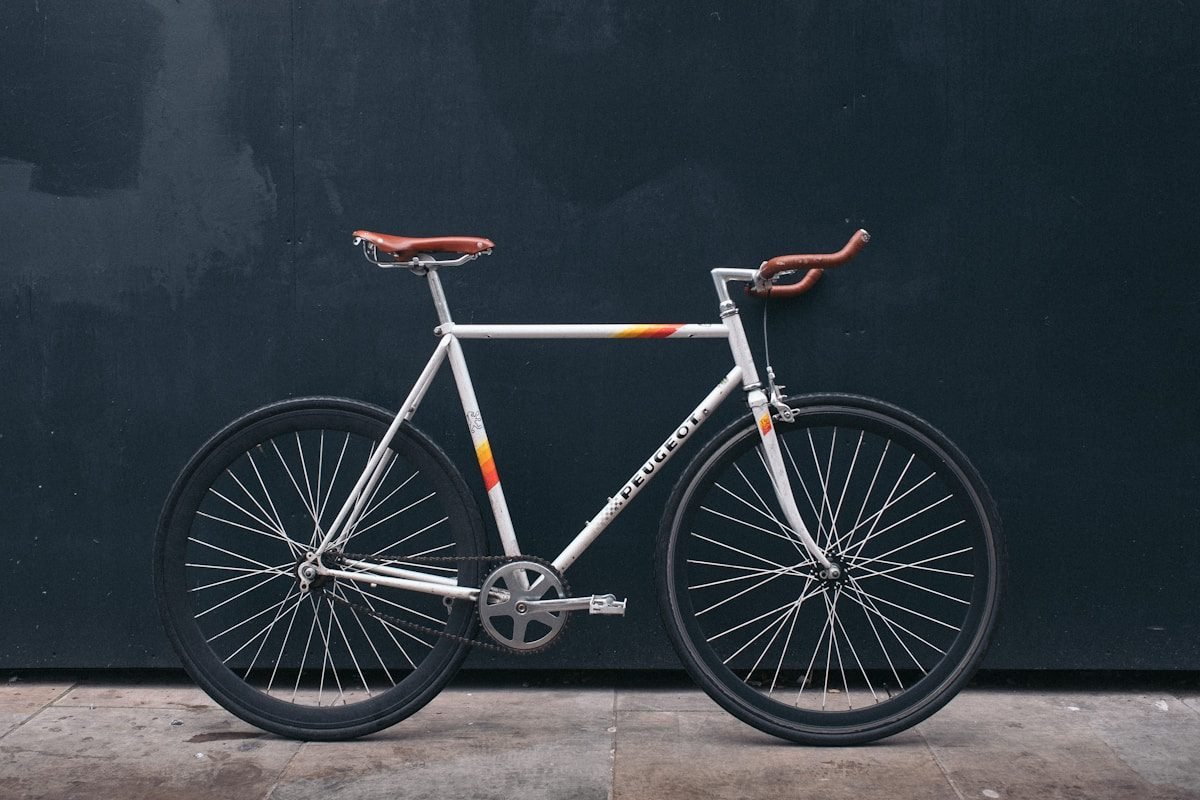
What size bike do I need?
Frame sizing explained without the mystique, plus a height-to-frame reference table for road, hybrid and mountain bikes.
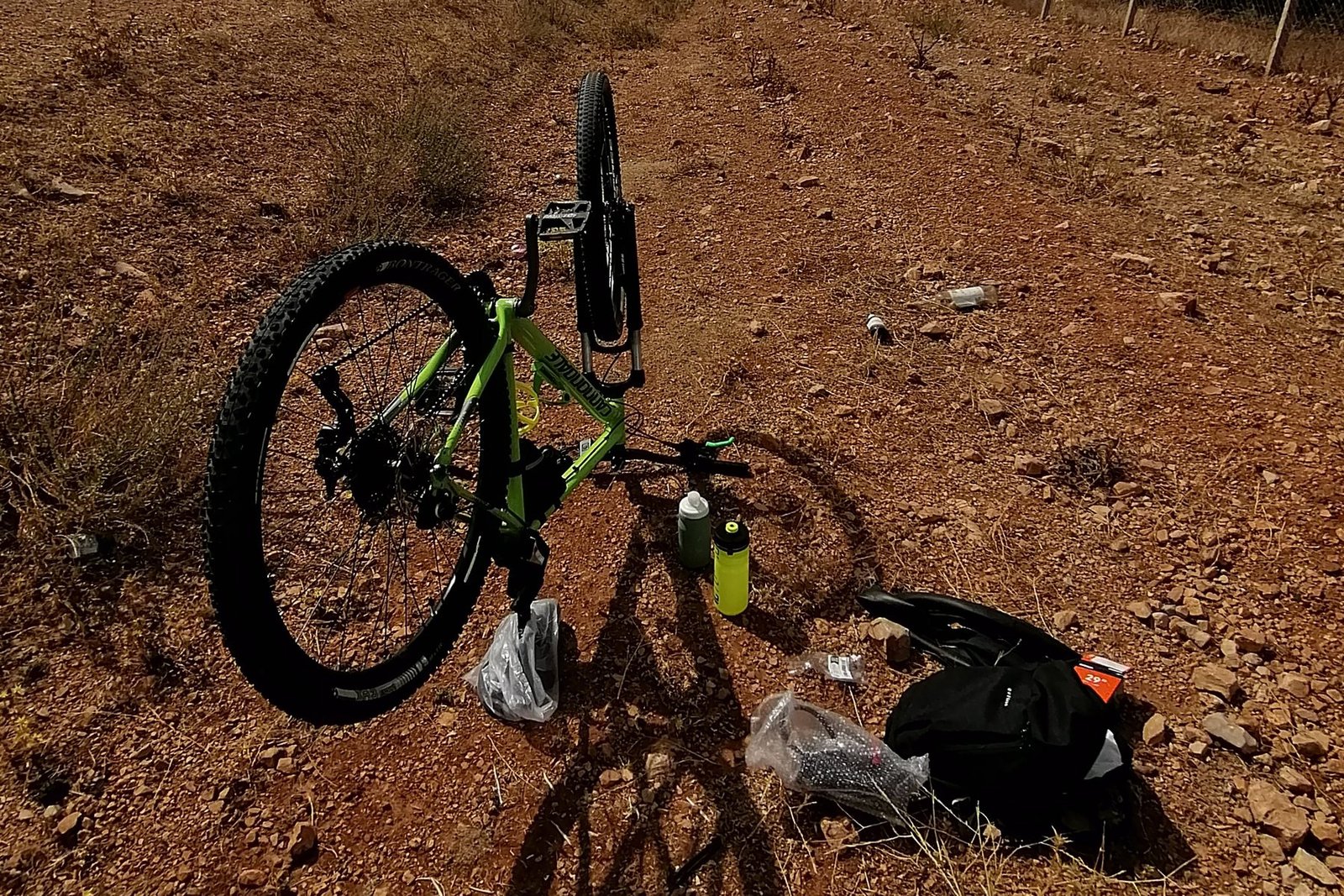
How to fix a puncture
The full roadside repair in eight steps, including the bit almost everyone skips — finding out what caused it.

Riding safely in traffic
Where to position yourself on the road, how to handle junctions, and why hugging the kerb is more dangerous than it feels.
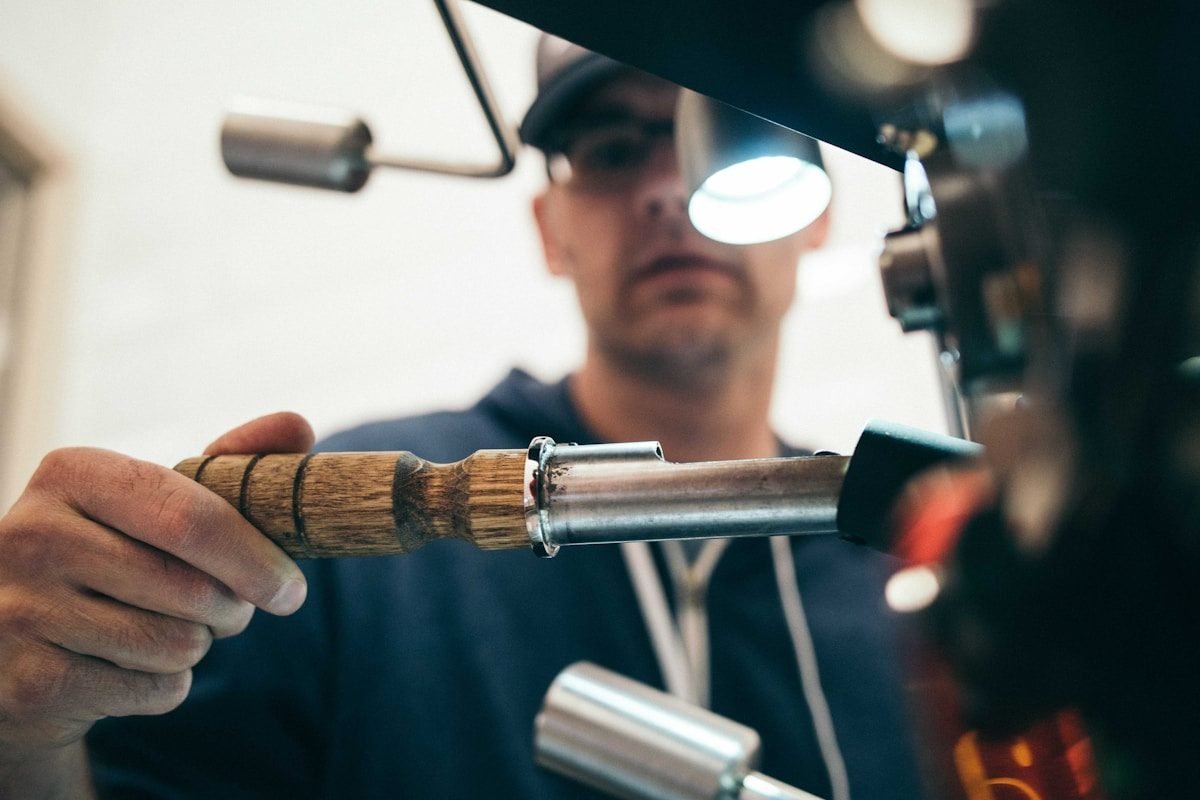
The tools actually worth owning
What belongs in a starter toolkit, what to add later, and the expensive tools you can happily ignore for years.
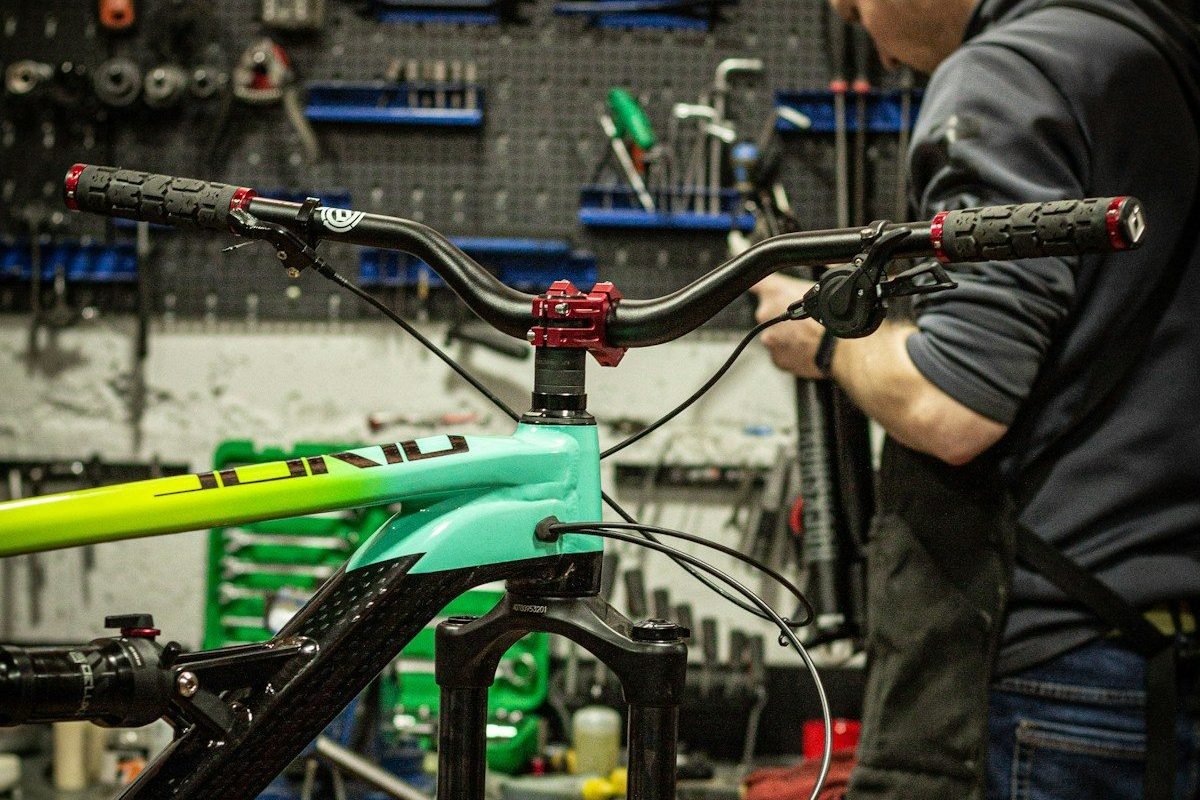
Buying a second-hand bike
A twelve-point inspection checklist, the three faults that should make you walk away, and how to spot a stolen frame.
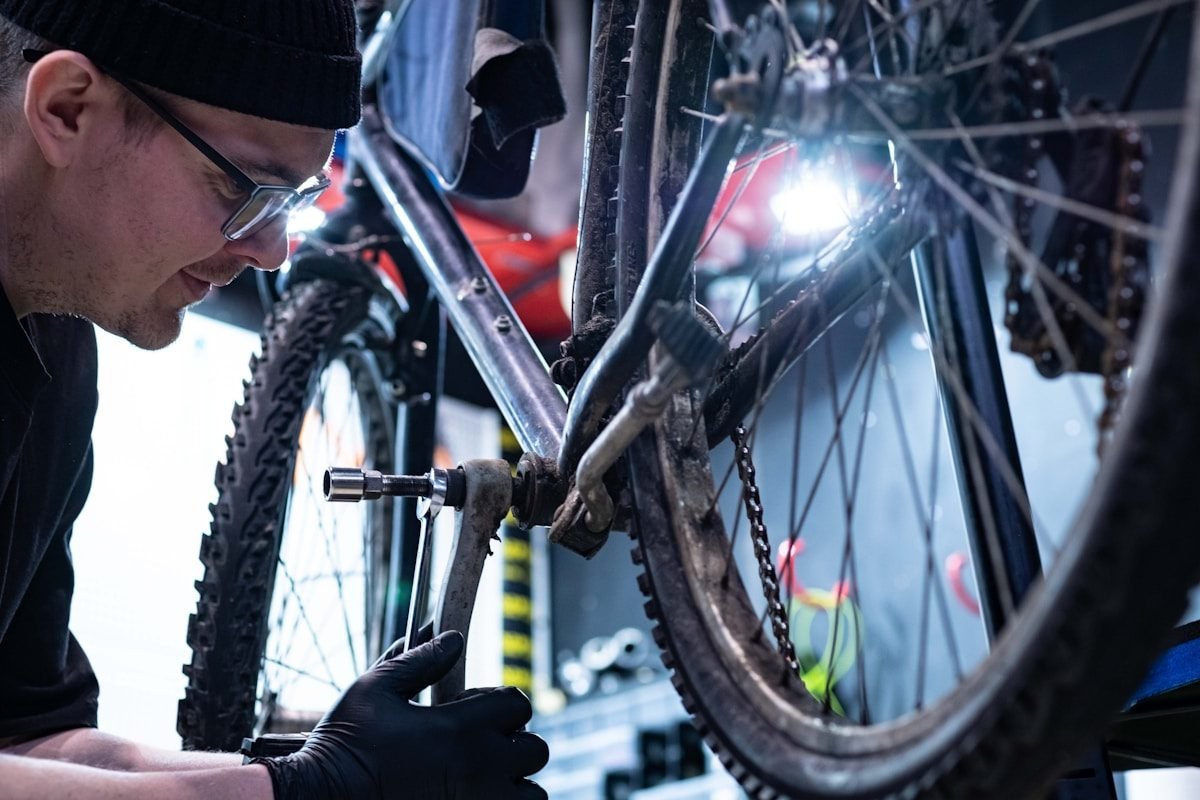
Winter care for your bike
Salt, grit and rain will quietly destroy a drivetrain. A ten-minute weekly routine that prevents most of it.
Why you can trust these guides
I am a rider first. Everything here is what I wish someone had told me when I started.
Genuinely independent
No manufacturer pays me to recommend anything, because I do not recommend specific products. I explain how to judge them yourself.
Written to be followed
Every procedure is written out in order, with the tools listed first and the awkward steps called out — including the jobs where the honest answer is to take the bike to a shop.
Kept up to date
Guides are reviewed at least once a year. Each one carries the date it was last checked, so you know how current it is.
Before you dive in
Yes. Every guide is free, with no paywall, no registration, and no email required. The site is supported by advertising, which is why you’ll see ad units on some pages.
No. TwoWheelGuide is purely an information site. I do not sell anything, I do not run a workshop, and I take no commission on products.
Most of them, yes — they’re written for people working at home with basic tools. But bicycles are vehicles, and a badly assembled brake or a cracked frame can cause serious injury. If you’re not confident, have a qualified mechanic check your work.
The mechanical advice applies anywhere. Road-law specifics vary by country and even by city, so always check your own local regulations.
Every guide carries the date it was last reviewed, and is updated when something changes or a reader points out a problem.
Stuck on something?
If a guide did not cover your problem, tell me. Reader questions are where most new guides come from.