Electric bikes, explained plainly
An e-bike is a bicycle that makes your pedalling go further. Understanding three things — motor, battery and the law — covers most of what you need.
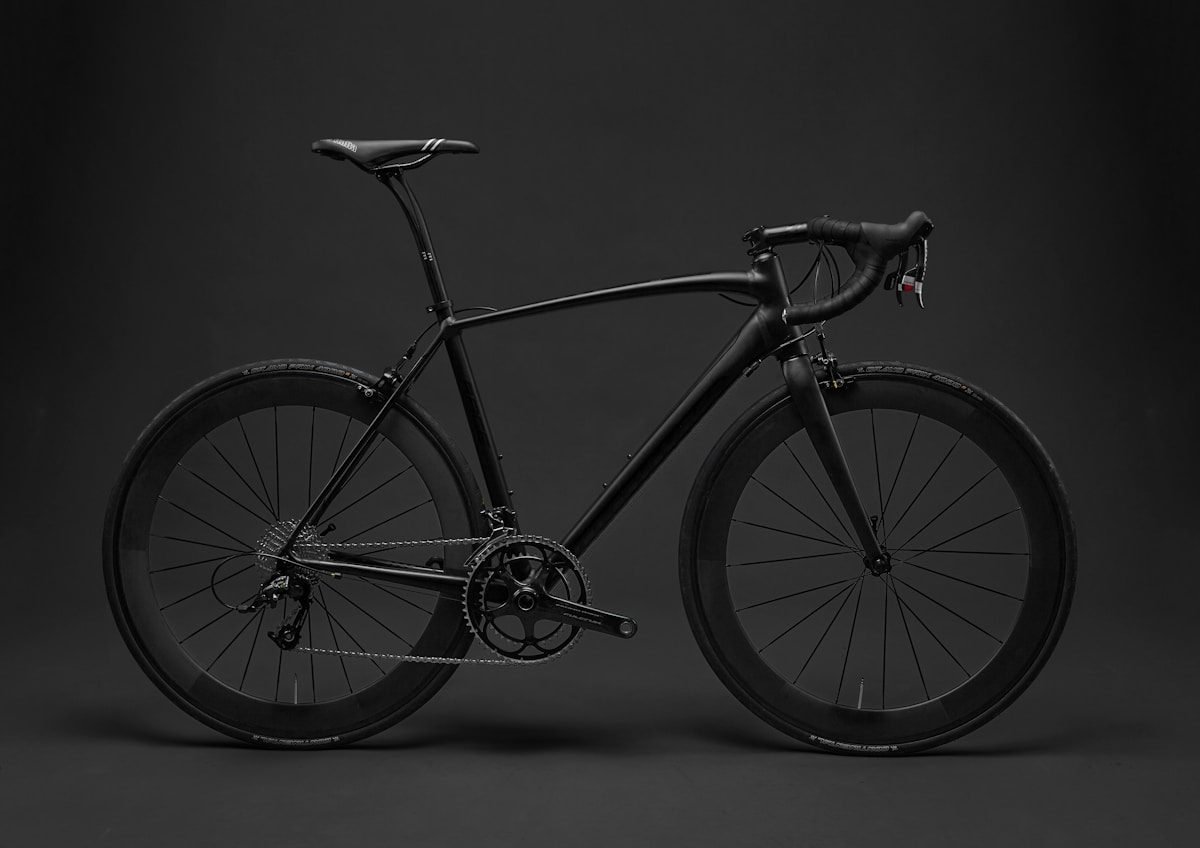
Electric bikes have changed who cycles more than any development in decades. Hills stop being a reason not to ride, longer commutes become realistic, and riders who had given up come back.
They also come with genuine trade-offs — weight, cost, and parts that wear faster. This guide covers both sides.
Pedal assist versus throttle
Most e-bikes are pedal assist: the motor contributes only while you pedal, multiplying your effort rather than replacing it. You still choose how hard to work, and the assistance scales with your input.
Throttle models drive the bike without pedalling, like a scooter. These are restricted or classified differently in many countries, and are less common on bikes sold as bicycles.
Rules vary by country and they matter. Many places cap motor power and the speed at which assistance cuts out, and exceeding those limits can reclassify the bike as a moped — requiring registration, insurance, a licence and a helmet, and banning it from cycle paths. Check your national rules before buying, and be careful with any bike advertised as “derestricted” or sold with a speed unlock.
Motor position: hub or mid-drive
| Hub motor | Mid-drive motor | |
|---|---|---|
| Where it sits | In the front or rear wheel | At the pedals, driving the chain |
| Feel | Pushes the bike along | Amplifies your pedalling naturally |
| Hills | Adequate; can struggle on steep gradients | Much better — uses the bike’s gears |
| Cost | Lower | Higher |
| Drivetrain wear | Low — motor bypasses the chain | Higher — motor power goes through the chain |
| Wheel removal | More awkward on the driven wheel | Normal |
For flat commuting, a rear hub motor is good value. For hills, loads or long distances, a mid-drive is usually worth the extra — it uses the gears, so it keeps working where a hub motor runs out of leverage.
Batteries and what range really means
Battery capacity is quoted in watt-hours (Wh) — multiply voltage by amp-hours if a shop quotes those separately. Most e-bikes sit between 300Wh and 750Wh.
Treat any advertised range figure as a best case measured by the manufacturer under favourable conditions. What actually determines your range:
- Assistance level — the biggest factor by far; low assist can double your range against maximum
- Terrain — hills consume energy far faster than flat ground
- Total weight — rider, luggage and the bike itself
- Temperature — cold weather reduces usable capacity noticeably
- Wind and stop-start riding — both cost more than people expect
- Tyre pressure — soft tyres waste energy, exactly as on any bike
A useful rule: assume you will get roughly 60 to 70% of the advertised range in ordinary mixed use. If a bike claims 100km and your commute is 60km round trip, that is comfortable. If your commute is 90km, it is not.
Looking after the battery
- Store at around half charge if the bike is unused for weeks
- Avoid leaving it at 0% or sitting at 100% for long periods
- Charge indoors at room temperature, not in a freezing shed
- Use the charger supplied with the bike
- Expect gradual capacity loss over several years — this is normal and unavoidable
Buy batteries and chargers from the manufacturer or an authorised dealer. Cheap third-party lithium batteries and chargers have caused serious fires. This is not a place to save money, and a battery that has been dropped, crushed or damaged in a crash should be inspected rather than charged.
What changes about riding and maintenance
An e-bike typically weighs 20 to 28kg against 10 to 14kg for a similar non-electric bike. That extra mass changes several things:
- Brakes work much harder — expect faster pad wear and check them more often
- Chains and cassettes wear faster on mid-drive bikes, because motor power runs through them
- Tyres wear faster and punctures are more likely — many e-bikes use reinforced tyres for this reason
- Lifting and carrying is harder — think about stairs, car racks and where it will live
- Higher average speeds mean stopping distances matter more
Practically, that means checking brakes and chain wear more frequently than on a normal bike. The brakes guide and the chain wear guide both apply directly, just on a shorter interval.
Is an e-bike right for you?
Strong reasons to get one
- A hilly commute that you would otherwise drive
- A distance that is just beyond comfortable on a normal bike
- Carrying children or shopping regularly
- A health condition or injury that limits sustained effort
- Arriving somewhere without needing a shower
Reasons to think again
- You have nowhere secure and dry to store and charge it
- You need to carry the bike up stairs regularly
- Your rides are short and flat, where the benefit is small
- The budget would be better spent on a much better non-electric bike
If you are still deciding between bike types generally, the choosing a bike guide covers the five main categories and how to size a frame.
Three things worth knowing before you buy
Mid-drive for hills
A mid-drive motor uses the bike's gears, so it keeps pulling where a hub motor runs out. Worth the extra if you live somewhere steep.
Expect 60–70% of claimed range
Advertised figures come from ideal conditions. Plan around the lower number and you will never be stranded.
Service it more often
More weight and more speed means brakes and drivetrain wear faster. Same jobs as any bike, shorter intervals.
Questions people ask about electric bikes
Yes. Pedal assist multiplies your effort rather than replacing it, and studies consistently find e-bike riders ride further and more often. Many people get more total exercise than they did on a normal bike they rarely used.
Typically several years of regular use before capacity noticeably drops. Manufacturers often quote a number of charge cycles. Storing at moderate charge and avoiding extreme temperatures extends life.
Yes — they are built for normal weather. Avoid pressure washers and submerging the motor or battery connections, and dry the bike afterwards as you would any bike.
You pedal home. It is harder than a normal bike because of the weight, and mid-drive motors can add slight resistance, but it is perfectly rideable.
In most places, yes, provided the bike meets the legal definition of a pedal cycle — usually a power limit and a speed at which assistance stops. Bikes exceeding those limits are often reclassified and banned from paths. Check your local rules.
Be careful. Quality varies enormously, the frame and brakes may not be designed for the extra power, and battery safety is a genuine concern with unbranded kits. If you go this route, buy from an established supplier.
Related guides
Three more that pair naturally with this one.

Choosing a Bike
The five bike types, frame sizing, and a 12-point checklist for buying second-hand.
Brakes Explained
Rim versus disc, spotting worn pads, and the contamination mistake that ruins rotors.

Commuting by Bike
Routes, sweat, luggage, weather and secure parking — the practical answers.
Not sure which bike you need?
The buying guide walks through the five main bike types, frame sizing and what to check on a used bike.