Buying bikes and parts
Consumables are easy and local. Anything specific means ordering online and waiting. Knowing which is which saves weeks off the bike.
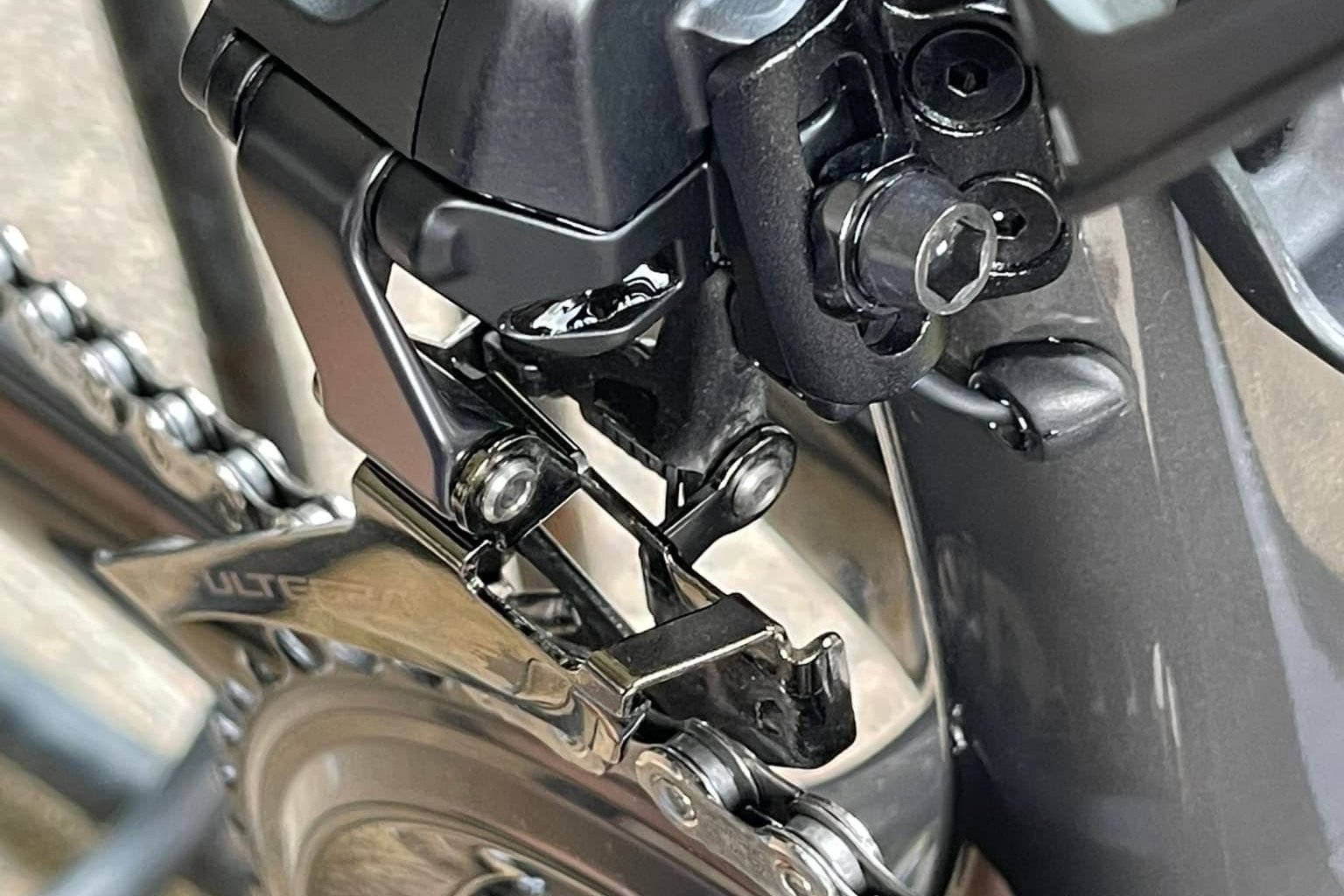
There are bike shops here, and for the things that go wrong most often they cover you. The frustration starts when you need one particular component.
The practical approach is to split your buying into two routes and use each for what it is good at.
What local shops are good for
Everyday parts and repairs, which is most of what a bike actually needs.
- Inner tubes and tyres in common sizes
- Cables and outers for brakes and gears
- Chains in the usual speeds
- Brake pads for common systems
- Basic servicing and wheel repairs
- Complete bikes at the everyday end of the market
If you puncture, snap a cable or wear out a chain, you can usually be riding again the same day, though it may take trying a couple of shops. That covers the large majority of failures – which is worth remembering before assuming you must import everything.
What is harder to find
- Specific groupset components, particularly for higher-end or newer drivetrains
- Less common sizes - unusual bottom brackets, headsets, axle standards
- Suspension parts and service kits
- Higher-end tyres and wheels
- Brand-specific spares, especially anything proprietary
The awkward case is a part that is specific to your bike. A generic chain is easy; a derailleur hanger for one frame model is not. If your bike has anything unusual about it, buy that spare while the bike is working, not after it breaks.
Ordering online
For the harder items, ordering from abroad – most commonly from Chinese sellers – is the route most riders here end up using. It works, and it is often much cheaper, but it comes with conditions.
| Local shop | Ordering online | |
|---|---|---|
| Speed | Same day | Weeks |
| Price | Higher for equivalent parts | Usually cheaper |
| Range | Common consumables | Almost anything |
| Certainty | You see it before you buy | You rely on the listing being accurate |
| If it is wrong | Walk back in | Returning is usually impractical |
Making online orders work
Measure and check before ordering
Confirm the exact standard your bike uses – speeds, axle type, thread, size. A part that is nearly right is a part you cannot use.
Read the specification, not the photograph
Listing images are frequently generic. The written specification is what you are buying.
Order early
Anything you will need in a month should be ordered now. Waiting until a part fails means weeks off the bike.
Buy consumables in pairs
If you are ordering brake pads or a chain, order two. The shipping wait is the expensive part, not the item.
Expect variation in quality
Unbranded parts range from excellent to poor. For anything safety-critical – brakes, steering, forks – buy known brands.
Do not economise on brakes, forks or anything structural. A cheap chain that fails is an inconvenience. A cheap brake component that fails on a descent is not. This is the one place where the local shop having a known brand in stock beats saving money online.
The spares worth having at home
A small box of parts turns most mechanical failures into a twenty-minute job instead of a three-week wait.
- Two inner tubes in your size
- A spare chain matched to your drivetrain
- Brake pads - a spare set for your system
- Gear and brake cables, inner and outer
- A derailleur hanger for your frame if it uses a replaceable one - the single most valuable spare on this list
- Tyre levers, patches and a pump that live in the bag permanently
Buying a bike
Local shops cover the everyday end well. For anything more specific the choice is between what is available here and importing, which brings shipping and customs into the picture.
Whatever you buy, the checks are the same everywhere – frame, wheels, drivetrain, brakes and fit. The buying guide has the full twelve-point checklist for a used bike, and it covers getting the frame size right, which matters more than any component on it.
Three rules for buying parts here
Local for consumables
Tubes, tyres, cables, chains and pads are all available locally and quickly. That covers most of what actually goes wrong.
Order specifics early
Anything unusual means weeks of waiting. Buy the spare while the bike still works, not after it breaks.
Never economise on brakes
Cheap consumables are a fair trade. Cheap brake or steering components are not.
Questions about buying parts here
Usually, especially for components. Set against that: weeks of waiting, no practical returns, and more variation in quality. For consumables the local shop often wins once you count the wait.
A derailleur hanger for your frame, if it has a replaceable one. They bend easily, they are frame-specific, and without one the bike is unrideable.
Variable. Fine for many things, and not worth the risk for brakes, forks, stems or handlebars. Buy known brands for anything that would hurt you if it failed.
Common systems, generally yes. Newer or higher-end groupsets are harder, and you may need to supply the parts yourself.
Long enough that you should order before you need it. Treat anything ordered abroad as arriving in weeks rather than days, and plan around that.
If you already own a bike you like, bring it and bring its specific spares. If you are starting out, buying locally is simpler and the shop can set it up for you.
Related guides
Three more that pair naturally with this one.

Cycling in Morocco
Roads, drivers, water, heat and shops – what riding here is actually like.
Make the parts last longer
The chain wear guide shows how replacing a cheap part on time saves an expensive one.