Choosing a bike in Morocco
The bike that suits you depends on three things: where you’ll ride it, how far, and how often. Get those right and the rest is detail.
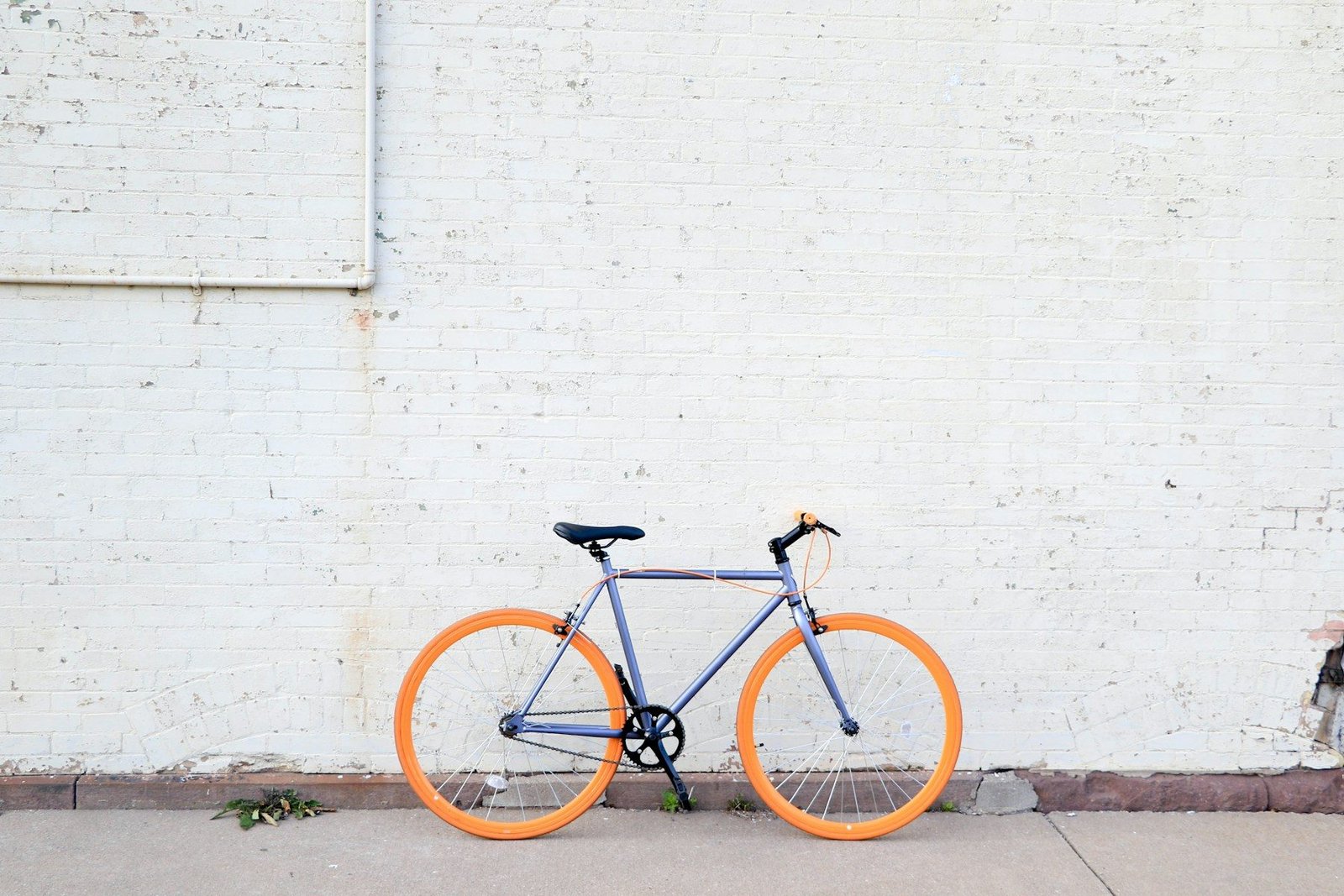
Buying a first bike here
General advice, and then what it looks like locally.
Used, from a shop, after a ride
The comparison below weighs new against second-hand in general terms. Here is what I actually did, and what I would tell someone buying their first bike where I live.
- I ride a mountain bike, and I bought it used — from a shop, not privately. A shop has a reputation in the town it sits in, which a stranger meeting you once does not.
- Around 3,000 dirhams is where people here tend to start for a first bike. Knowing the local going rate matters more than any online price guide, because it tells you when an offer is unusual.
- Check everything before you pay. Not a glance over it — go through the whole bike, the way the inspection list below sets out.
- Then ride it. A short tour tells you whether the bike fits you and whether everything actually works, and neither of those is a thing you can judge standing still in a shop.
That last point is the one people skip, and it is the one that catches problems. A bike can look right and still be the wrong size for you, or have a gear that will not hold under load.
Most people buy the wrong first bike. Not a bad bike — a wrong one. They buy a full-suspension mountain bike and ride it to work on tarmac, or a twitchy racing bike for towpaths and shopping runs. The bike works fine. It just isn’t doing the job they need done.
This guide starts with matching a bike type to how you’ll genuinely ride, moves on to fit — the single thing most worth getting right — and finishes with what to inspect if you’re buying used, which is where the real bargains and the real disasters both live.
The five types of bike
Almost every bike sold is a variation on one of these. Work out which fits your riding and you’ve narrowed the field by ninety percent.
Road bike
Dropped bars, narrow tyres, light frame. Brilliant on sealed roads and uncomfortable almost everywhere else.
Hybrid / city bike
Flat bars, upright position, medium tyres, rack and mudguard mounts. The sensible default if you aren't sure.
Mountain bike
Wide knobbly tyres, strong frame, suspension. Unbeatable on real terrain, wasteful on tarmac.
Gravel & touring
Road shape with wider tyres, relaxed frame, low gearing and luggage mounts everywhere. One bike for mixed surfaces.
Electric bike
Any of the above with a motor that assists while you pedal. It flattens hills rather than replacing effort.
Still undecided?
Buy the hybrid. It is the least likely to be wrong, and the easiest to resell if your riding changes.
Getting the size right
If you only get one thing right, make it this. An expensive bike in the wrong size is worse to ride than a cheap bike that fits.
A bike that’s too big forces you to overstretch — you’ll feel it in your lower back and hands within half an hour. Too small, and your knees come up too high and the steering gets nervous.
Stand over the bike flat-footed: you want 2–3cm of clearance on a road bike, 5–8cm on a mountain bike. Then sit with a pedal at its lowest point — your leg should be almost straight, with a slight bend at the knee.
- Sizing charts are a shortlist, not an answer
- Two bikes both labelled "medium" can differ by centimetres
- Always sit on the actual bike if you can
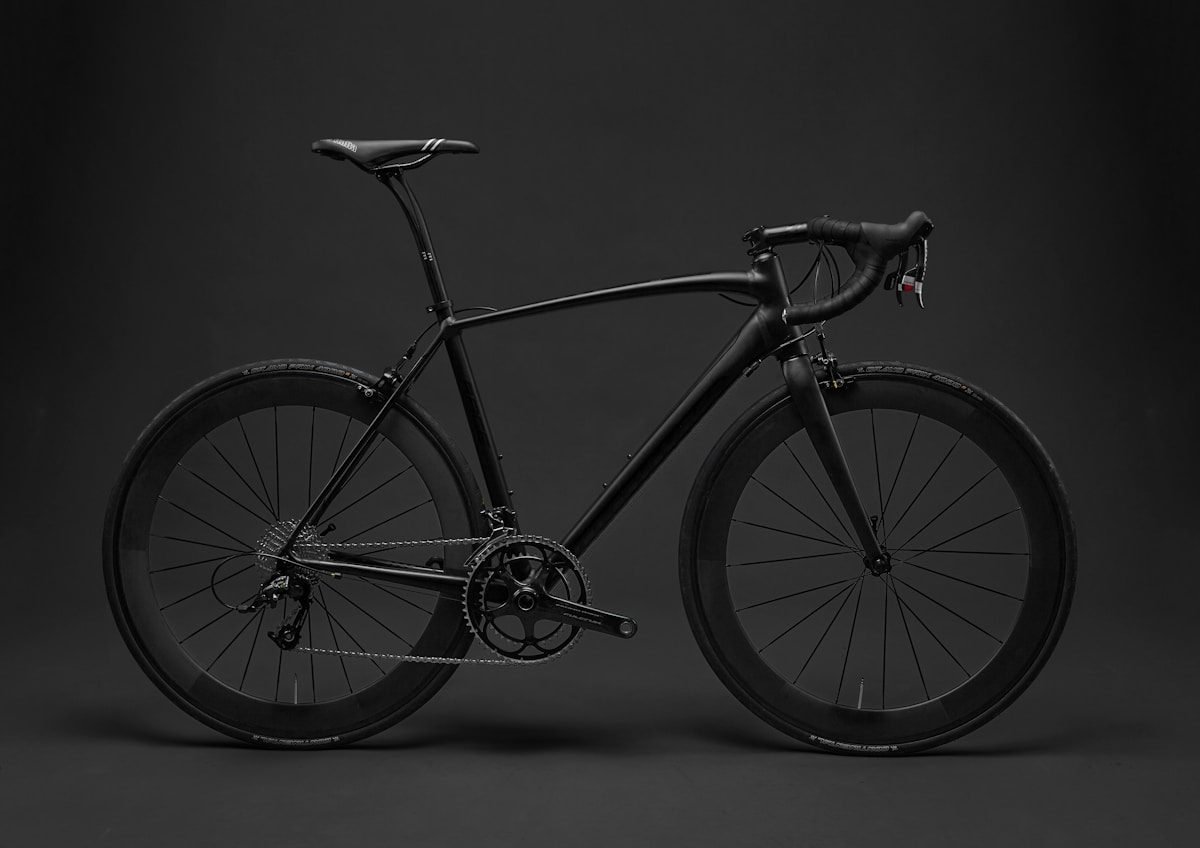
Frame size by rider height
Treat these as a starting point, then test ride.
| Your height | Road bike | Hybrid / city | Mountain bike |
|---|---|---|---|
| 152–160 cm (5’0″–5’3″) | 47–49 cm | XS / 14″ | 13–14″ |
| 160–168 cm (5’3″–5’6″) | 50–52 cm | S / 16″ | 15–16″ |
| 168–175 cm (5’6″–5’9″) | 53–54 cm | M / 18″ | 16–17″ |
| 175–183 cm (5’9″–6’0″) | 55–57 cm | L / 20″ | 17–19″ |
| 183–191 cm (6’0″–6’3″) | 58–60 cm | XL / 22″ | 19–21″ |
| 191 cm + (6’3″ +) | 61 cm + | XXL / 24″ | 21″ + |
Inspecting a second-hand bike
Used bikes are where the value is — and where the traps are. Work through this in daylight, before any money changes hands.
The check: points 1–6
- Frame — sight along the tubes for dents, ripples or cracks
- Fork — look for any backwards bend near the crown
- Wheels — spin each one, watch the rim for side-to-side wobble
- Spokes — squeeze pairs together, they should feel even
- Tyres — check for cracked sidewalls and worn-flat centres
- Brakes — pull hard, the lever shouldn't reach the bar
The check: points 7–12
- Brake pads — worn-away grooves mean a new set
- Chain — more than a couple of mm of lift means it's stretched
- Gears — ride it, shift through everything under load
- Bearings — rock the wheels and pedals, any knock is play
- Headset — hold the front brake and rock, a clunk is wear
- Provenance — ask for the frame number and receipt
Three faults worth walking away from
Most problems on a used bike are cheap consumables. These three are not, and no discount makes them worth it.
- A cracked or dented frame — not repairable at sensible cost
- A bent fork or head tube — evidence of a front-end impact
- Seized components — removal can cost more than the bike
Checking it isn't stolen
Worth five minutes. Buying stolen goods can leave you out of pocket and in legal difficulty.
- Find the frame number under the bottom bracket
- Search it on a national stolen-bike register before paying
- Be wary of a seller who won't meet at a home address
- A price far below market value is a warning, not a bargain
New or second-hand?
No universal right answer — it depends mostly on how confident you are judging condition.
| Consideration | Buying new | Buying second-hand |
|---|---|---|
| Price for the spec | You pay full retail | Typically 40–60% less for equivalent quality |
| Condition | Known and perfect | Unknown until you inspect it properly |
| Warranty | Usually included | None, unless transferable |
| First service | Often free from the shop | Budget for one straight away |
| Sizing help | Staff will fit you properly | Entirely on you to get right |
| Immediate extras | Minimal | Often tyres, chain, cables and pads |
| Best suited to | First-time buyers wanting certainty | Anyone who can inspect confidently |
What you'll need besides the bike
Budget for these alongside the bike. Leaving them out is how a good purchase becomes an unused one.
A lock that matches the risk
Spend roughly 10% of the bike's value. A hardened D-lock defeats casual theft; a cable lock mostly does not.
Lights, front and rear
In most countries a legal requirement after dark, not an accessory. USB-rechargeable removes the battery excuse.
A puncture kit and pump
Two tyre levers, a spare tube in the right size, and a mini pump. Carry them from the first ride.
Things people ask before buying
There’s a quality threshold around the price of a decent entry-level bike from an established brand — below it you get heavy frames, weak brakes and fast-wearing components. Spending well at the bottom of the range beats stretching to the middle of it. If you’re choosing between a better bike and a good lock plus lights, buy the lock and lights.
Usually a false economy. Heavy frames, often poor brakes, and frequently sold badly assembled. If you already own one, paying a shop for a proper safety check and setup often transforms how it rides.
Not necessarily, but they’re better in the wet and the gap widens the worse conditions get. Well-maintained rim brakes are perfectly safe in the dry and simpler to service at home.
Fewer than you’d think. Range matters, not the number. A modern 1×11 covers more useful ground than an old 21-speed. Hills need a genuinely low bottom gear more than a high top one.
Online is cheaper but you own every fit decision. A shop costs more and returns that as sizing help, assembly and someone to go back to. For a first bike the shop is usually worth it.
If it’s the difference between riding regularly and leaving a bike in the shed, comfortably yes. E-bikes get ridden far more often than the bikes they replace, especially for hilly commutes or carrying loads.
Related guides
Three more that pair naturally with this one.
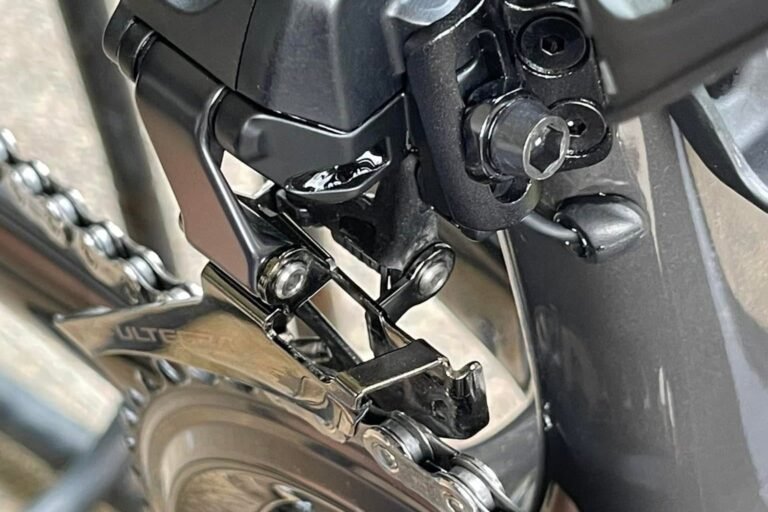
Buying Parts Here
What local shops stock, what you have to order, and how long it takes.
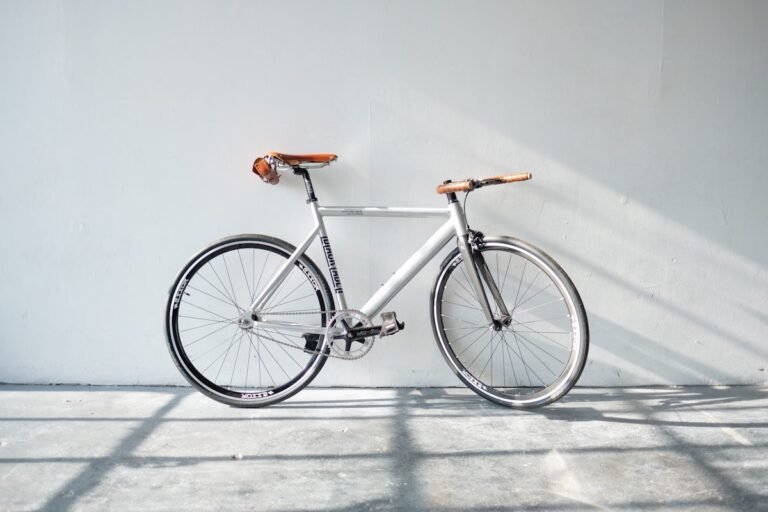
Fit & Comfort
Saddle height, saddle choice, and what five hours on a bike teaches you.
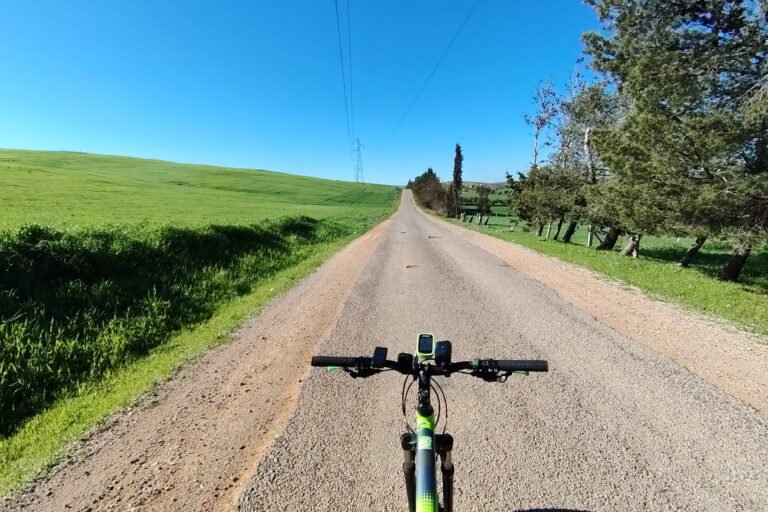
Cycling in Morocco
Roads, drivers, water, heat and shops – what riding here is actually like.
Bought a bike? Keep it running.
The maintenance guide covers everything from a five-minute puncture repair to a full seasonal service.